
The Wisdom of the Nervous System
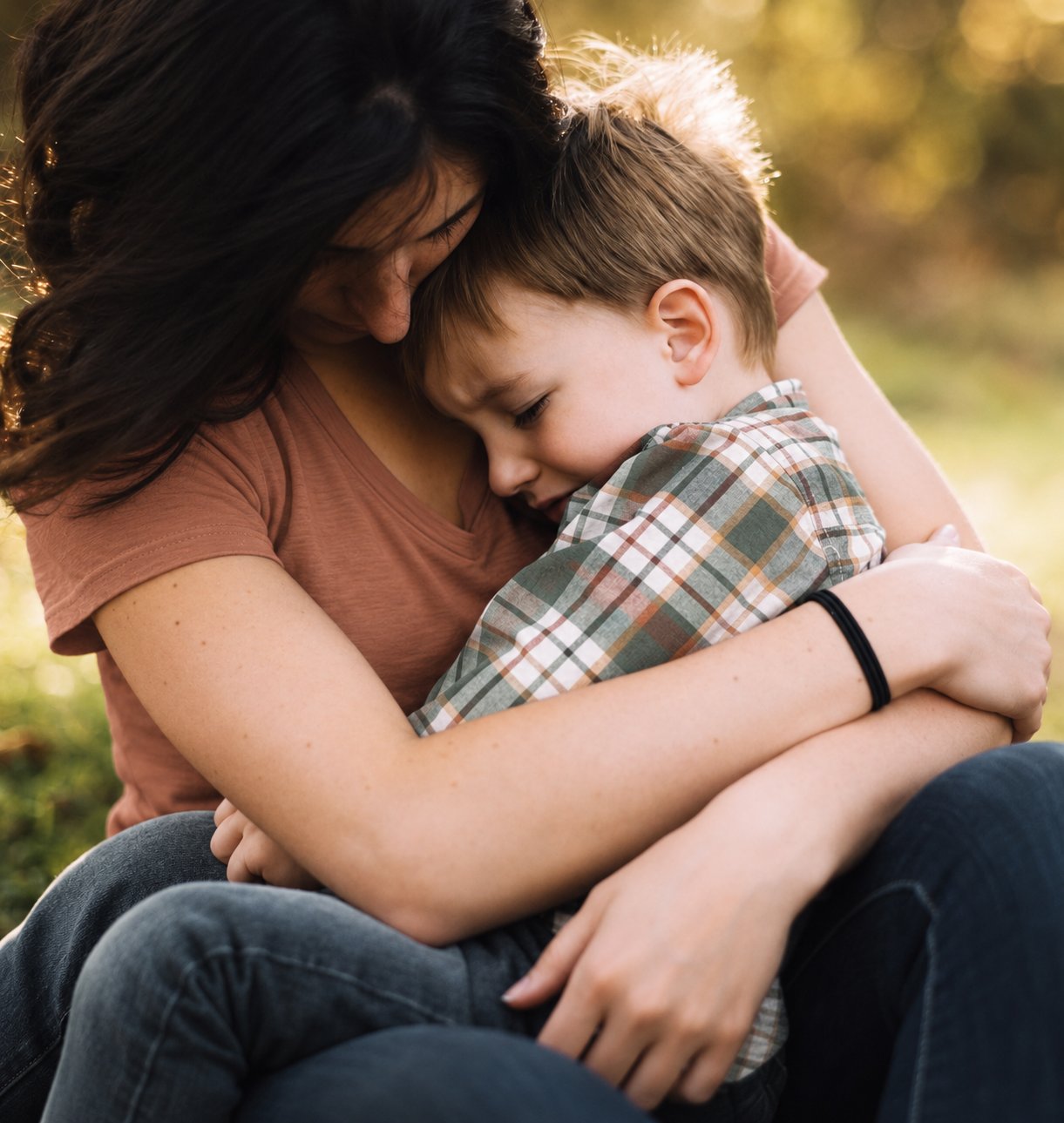
When a Child’s Behavior Is a Nervous System Signal
Parents often reach out after trying everything.
Sticker charts. Consequences. Reward systems. Behavior plans. Parenting books.
And still, their child is anxious, melting down, shutting down, or struggling at school.
We as parents often get stuck on the behavior and forget that behavior is always communication. Behavior is a signal from the nervous system that something is off. A child has a need that we are missing.
For Parents: What If Nothing Is “Wrong”?
If your child is:
Highly anxious
Easily overwhelmed
Intense emotions
Difficulty with transitions
Sensitive to sensory input
Shutting down socially
Struggling with separation
Exploding after school
These are signs of dysregulation in the nervous system. Our autonomic nervous systems are wired for survival. The autonomic nervous system scans for safety. When children internally feel overwhelmed or missing a need, protective responses take over. The nervous system becomes dysregulated and goes into survival mode. Children’s needs for safety differ from adults as children do not have a fully developed brain. Their ability to interpret safety varies. What an adult sees as safe, a child may not.
These protective responses can look like:
Control
Avoidance
Aggression
Withdrawal
Perfectionism
People-pleasing
Your child is not trying to be difficult.
Their nervous system is trying to protect them.
Four Threats to the Nervous System
(Lisa Dion, Synergetic Play Therapy, 2026)
Physical safety:
When our physical safety is threatened, our nervous system enters protective mode at all costs
Fear of the unknown:
Unpredictably and unknown create a nervous system response to protect us from the potential of harm.
Shoulds/unmet expectations:
When we are made to think or feel like we “should” be doing something or we “should” be better at something. When we haven’t met some expectation placed on us, our nervous system will do what it has to do to protect us.
Incongruence in the environment:
When what is happening in an environment does not match what someone is/is not saying about it. For example, laughing during a serious, distressing event, or being neutral during a joyous, celebratory one.
How to Support Nervous System Regulation at Home
Here are simple ways to support the nervous system at home:
1. Predictability and Routine
Children need more predictability and routine than adults. What they see as unpredictable/unknown may get missed by adults. Your child hasn’t experienced the world as long as you have. Social stories are a great way to prepare children for unknown experiences. Visual charts also help support children in making sense of the unknown.
2. Repair After Conflict
Saying, “I’m sorry” and acknowledging the potential impact builds emotional security.
3. Sensory Regulation
Movement, deep pressure, time outdoors (hello Lake Norman sunshine!), warm baths, music, and rhythmic play help reset the nervous system.
4. Reflecting Feelings
Naming feelings helps the nervous system relax.
“I see you’re frustrated.”
“That felt disappointing.”
“I can see you are having big feelings”
“This is really hard” Feeling understood reduces nervous system threat.
Our nervous systems are wise. Pause—see what they are telling us.
Contact our practice to learn more about child therapy and parent support service